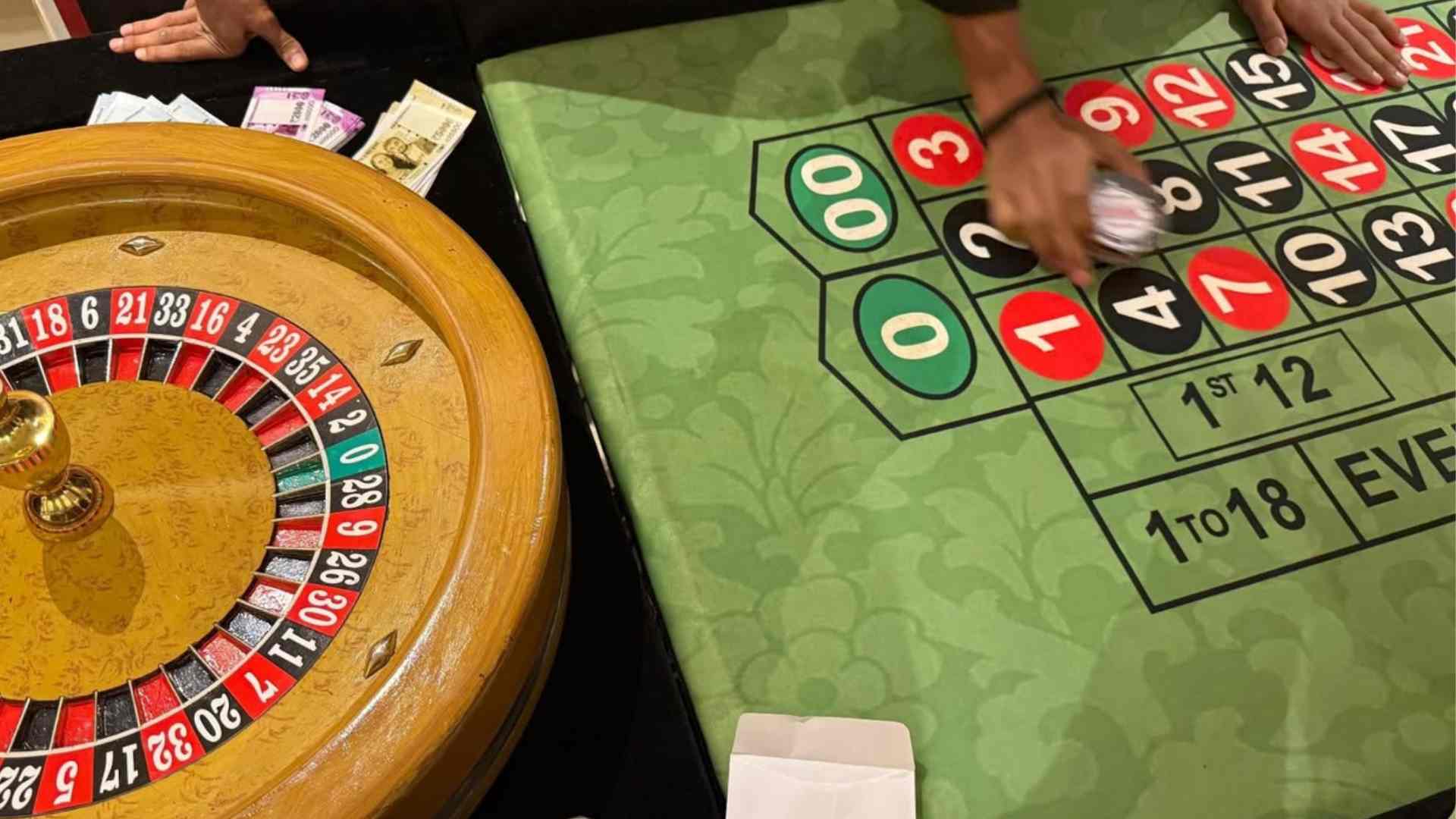
Modern game developers are constantly pioneering new methods to sustain user engagement and prevent gameplay fatigue. By combining elements of chance with adaptive digital design, studios can create interactive experiences that continuously surprise and delight their global audience. Implementing random rewards with flexible reward structures has emerged as an exceptionally effective method to balance player satisfaction and long-term retention trends.
The Mechanics of Adaptive Randomization
Traditional progression systems often rely on rigid drop tables that quickly become predictable and monotonous for experienced participants. Adaptive mechanics shift this dynamic by adjusting the pool of potential payouts based on individual player habits and specific milestones. This ensures that the thrill of uncertainty remains vibrant regardless of how many hours a user invests in the system.
By leveraging dynamic distribution algorithms, modern digital platforms can alter probability factors in real time to match current user performance levels. This variable approach effectively prevents casual audiences from feeling discouraged while keeping hardcore gamers properly challenged over extended periods. The strategic integration of fluid design models marks a significant evolution from the legacy framework architectures of the past.
Enhancing Engagement Through Diversity
When an interaction model offers a diverse range of incentives, participants are much more likely to remain active and loyal over the long term. Incorporating multi-tiered payout systems allows contemporary developers to offer unique surprises alongside standard seasonal updates and achievements. This layered structure creates a distinct operational rhythm that drives sustained interaction across various distinct user demographics.
For instance, players who enjoy exploring diverse digital entertainment platforms might appreciate a well-balanced M88 togel integration that provides controlled unpredictable outcomes during gameplay. Tying unexpected bonuses to specific interactive challenges successfully transforms routine activities into memorable milestones for the community. Ultimately, giving participants multiple distinct pathways to success enhances their overall emotional investment in the digital world.
Balancing Equity and Chance
One of the greatest challenges in contemporary game design is maintaining a level playing field when randomness is introduced into the core loop. If chance-based distributions feel completely arbitrary or punitive, they can quickly alienate the active community and destroy user retention. Striking the perfect equilibrium requires a delicate combination of transparent mathematical models and user-centric architecture.
Developers are increasingly adopting transparent design principles that openly share probability metrics to cultivate deep trust among their player base. When participants feel the system handles item distribution fairly, their natural motivation to engage with difficult tasks increases significantly. Ensuring equity within random loops remains a foundational cornerstone of building sustainable digital ecosystems today.
The Future of Reward Architecture
As data analytics and machine learning technologies continue to advance, the potential for highly personalized incentive systems grows exponentially. Future frameworks will likely feature highly tailored environments that adjust seamlessly to distinct user archetypes and behavioral patterns. This unprecedented level of customization ensures that no two interactive sessions ever feel identical or repetitive to the participant.
Ultimately, the successful combination of unpredictable milestones and structured progression defines the cutting edge of the modern entertainment landscape. By continuing to refine how flexibility intersects with chance, creators can build compelling digital worlds that stand the test of time. The ongoing evolution of interactive design will undoubtedly continue to place player satisfaction at the very center of software development.