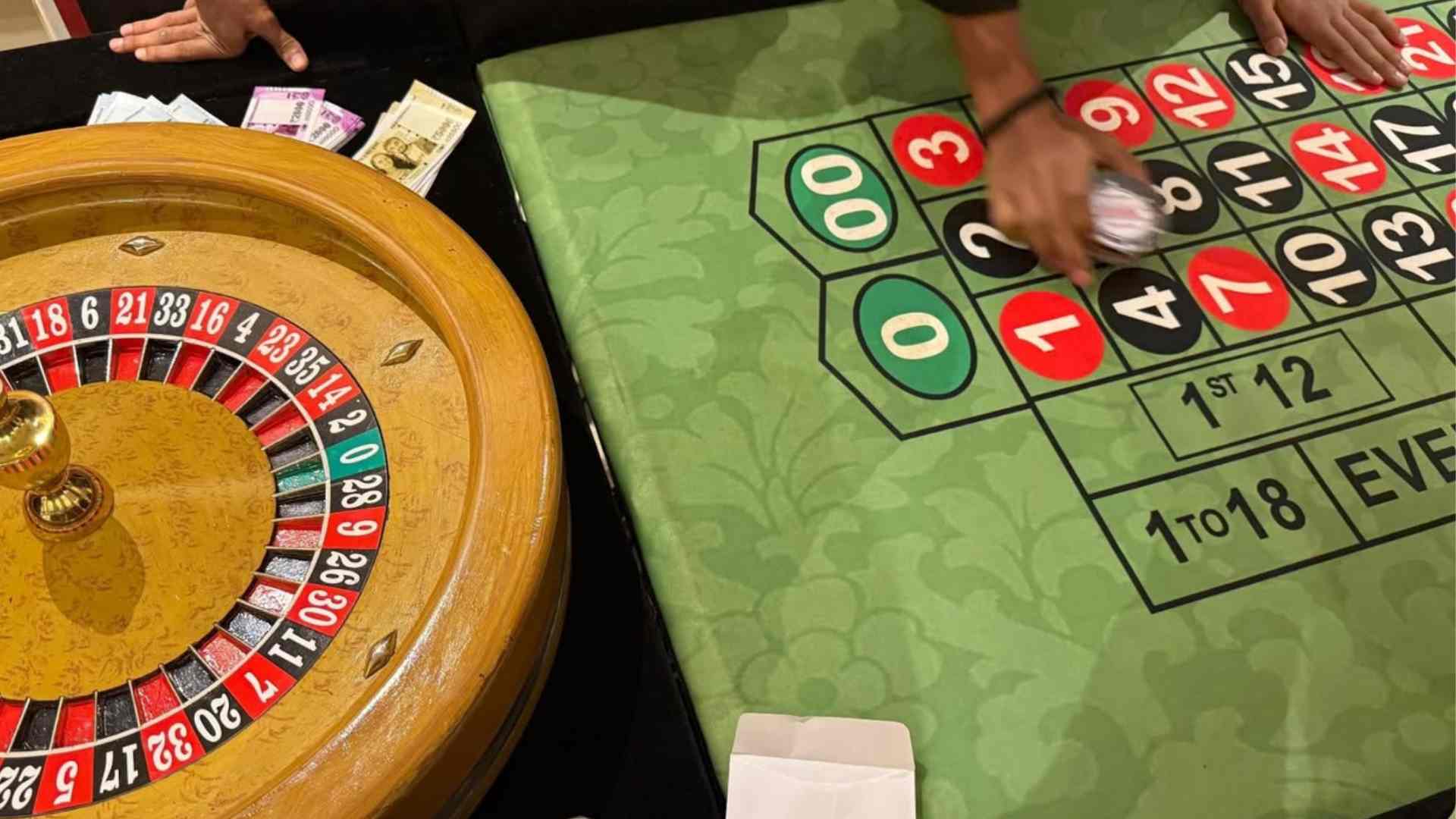
The allure of classic casino table games often leads players to search for systems that promise predictable victory. From complex card tracking to structural pattern analysis, enthusiasts spend hours looking for hidden order in a chaotic distribution. However, an objective examination of tabletop dynamics reveals that pure probability consistently overrides personal calculation over any extended sequence.
The Core Illusion of Pattern Tracking
Many participants arrive at the table armed with historical records, hoping to predict upcoming results based on recent streaks. This approach overlooks the mathematical reality that independent outcomes hold no physical memory of previous rounds. Each distribution of cards or roll of the dice resets the mathematical horizon entirely, leaving statistical memory templates completely ineffective.
When individuals fixate on tracking perceived trends, they frequently fall victim to cognitive biases that cloud logical decision-making. Accepting that every single shuffle introduces a completely unique permutation is vital for developing a resilient mindset. True proficiency begins when a player stops trying to outsmart probability and instead focuses on disciplined bankroll management.
How Spatial Disadvantage Amplifies Uncertainty
The physical organization of a traditional card table creates distinct situational variables that heavily influence how information is gathered. Players forced to act in early positions must commit capital with minimal data regarding the total strength of the room. This initial structural constraint naturally amplifies the inherent dangers of speculative wagering, regardless of a participant's expertise.
Even those occupying a late spatial position cannot eliminate the core variance built into the deck. While observing early reactions offers a slight analytical perspective, the final distribution remains entirely subject to chance. Navigating this spatial asymmetry requires deep focus and a realistic acceptance of unpredictable outcomes.
The Digital Transition and Automated Fairness
Modern platforms have fully embraced the chaotic nature of classic table play by integrating highly sophisticated cryptographic software. These randomized systems ensure that every virtual round mirrors the absolute unpredictable nature of an authentic manual shuffle. Players looking for secure digital environments can rely on verified connections like m88 không bị chặn to access fair interactive tables. This evolution preserves traditional tension while eliminating manual dealer bias.
Automation also accelerates the pace of play, meaning participants encounter a higher volume of independent outcomes per session. This increased frequency tests emotional restraint and exposes formulaic wagering systems to rapid adjustments. Understanding that software protects unpredictability helps enthusiasts enjoy digital sessions without relying on false guarantees.
Embracing Variance for Longevity
Long-term enjoyment of strategy games requires an honest appreciation for the hidden mathematical boundaries that define every round. Rather than viewing randomness as an obstacle to overcome, seasoned analysts respect it as the foundational mechanic that makes table play compelling. This mental shift transforms a stressful pursuit of certainty into a disciplined exercise in tactical navigation.
Ultimately, recognizing that chance retains absolute authority prevents the development of reckless wagering habits. Balanced planners combine thorough rule comprehension with a clear awareness of random distribution behavior. By letting go of the need for absolute prediction, players can approach any physical or digital table layout with complete clarity.