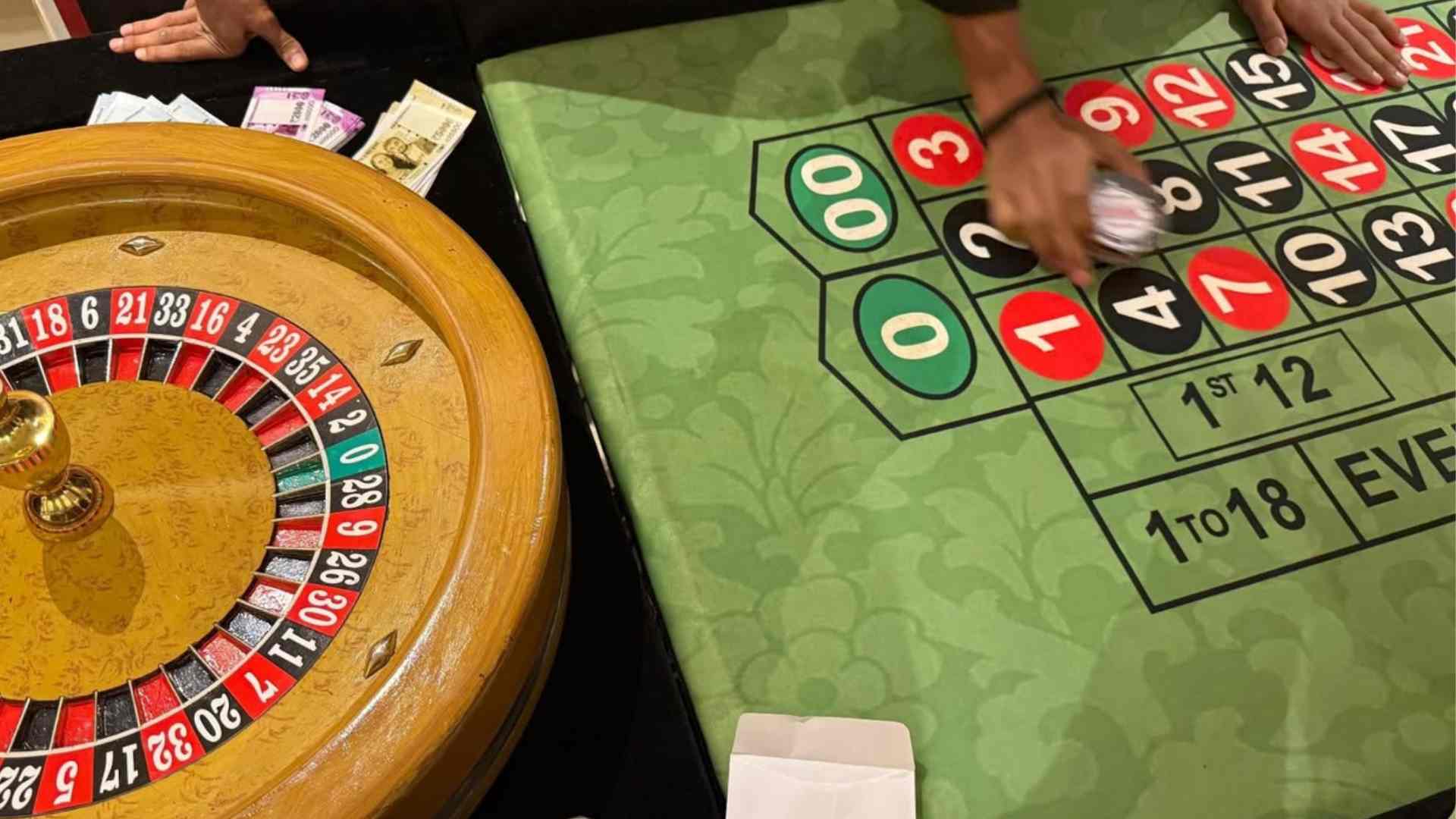
In our modern, fast-paced society, instant gratification has become the default expectation for almost every experience. However, there is a unique psychological phenomenon that occurs when an outcome is intentionally delayed and allowed to unfold at a sluggish pace. The gradual deceleration of a spinning wheel or the slow crawl of a moving pointer can generate a deeper level of engagement than any immediate revelation ever could.
The Mechanics of Psychological Anticipation
When an event slows down right before its conclusion, it forces the human brain into a state of intense focus. Neurological studies suggest that prolonged anticipation stretches our internal perception of time, making those final few moments feel incredibly significant. This temporal distortion amplifies our emotional investment, transforming a simple observation into a memorable event.
Instead of receiving data instantly, viewers are given the space to mentally simulate every possible outcome. This continuous shift between hope and doubt creates a thrilling internal rhythm that keeps people completely immobilized. The mind naturally thrives on this tension, proving that the journey toward a result can be far more stimulating than the destination itself.
How Deliberate Pacing Shapes Modern Entertainment
Many traditional game designs and digital interfaces intentionally use slow-motion mechanics to maximize user engagement. By stretching the reveal over several seconds, creators can build a narrative arc out of a single randomized action. This structural choice shifts the focus from a cold statistical outcome to a lively visual story filled with suspense.
Whether observing a physical prize wheel or interacting with digital randomizers, the slow approach introduces an element of drama. For instance, individuals exploring regional entertainment trends online often find that platforms featuring structured visual delays attract a more dedicated audience. Those tracking interactive developments in busy hubs like m88 中環 notice that fluid, measured pacing remains essential for sustaining public interest across various digital platforms.
Embracing the Relief of Shared Unpredictability
Watching a slow result also introduces an element of community when experienced alongside other observers. When a group collectively tracks a decelerating object, the shared anticipation bonds the participants together in real time. The simultaneous groans and cheers that erupt upon the final stop create a strong sense of social connection.
Furthermore, surrendering control to a slow-moving, transparent mechanism provides a strange sense of psychological relief. It temporarily removes the burden of decision fatigue, allowing individuals to simply sit back and enjoy the spectacle. By letting a neutral process determine the conclusion gradually, the final verdict feels both fair and deeply satisfying.
Finding Value in the Prolonged Pause
Ultimately, the strange excitement of watching a slow conclusion reminds us that patience can heighten our appreciation for everyday moments. When everything else moves at lightning speed, a deliberate pause forces us to remain anchored in the present. It turns an ordinary mechanical sequence into a profound exercise in suspense and entertainment.
By understanding why we enjoy these extended reveals, designers can continue to craft better interactive experiences. Embracing the slow approach ensures that even minor outcomes can capture our imaginations and leave a lasting impression.