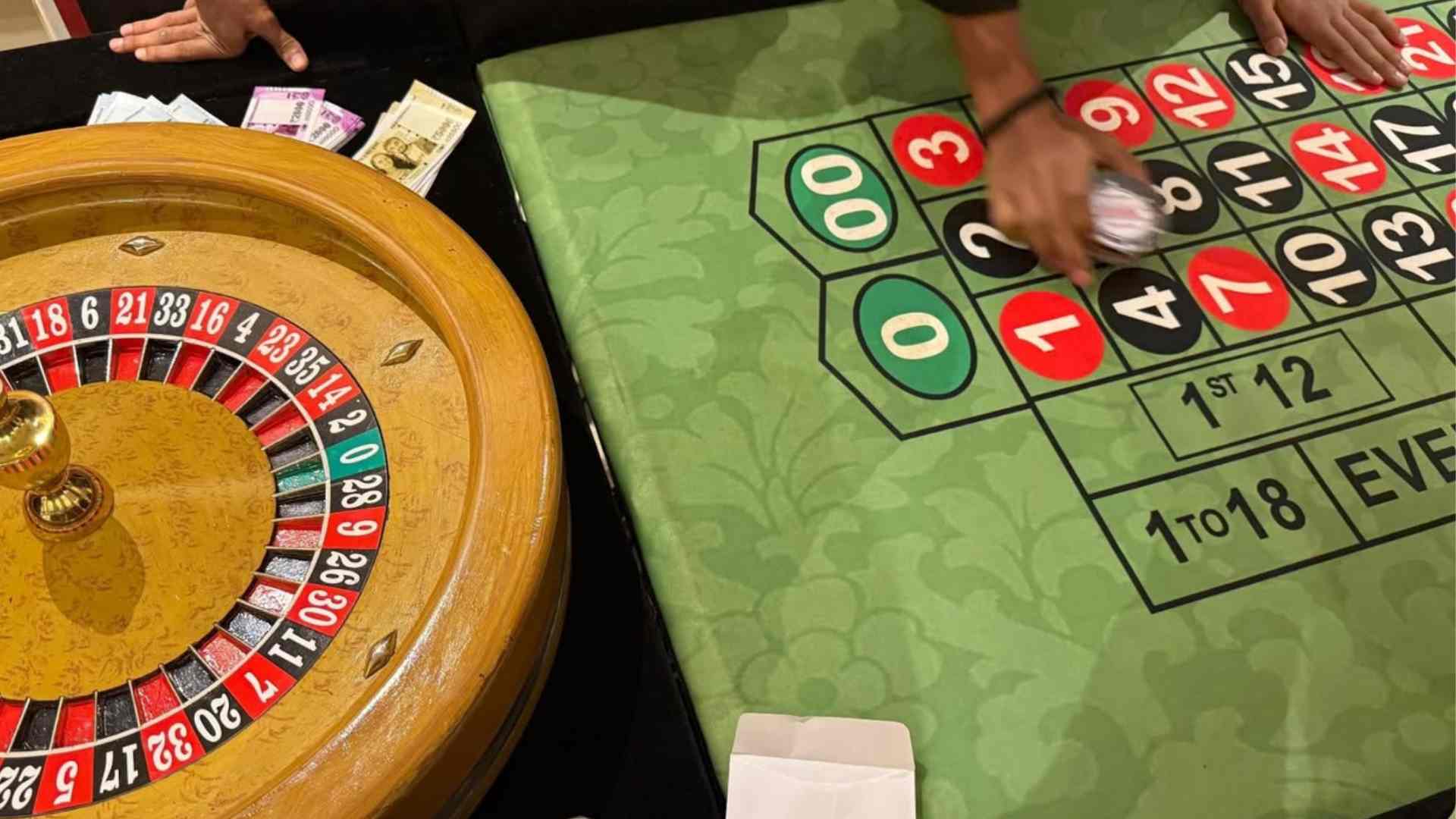
Modern gaming has evolved far beyond static interfaces, introducing dynamic elements that turn simple mechanics into unforgettable player adventures. Among these innovations, wheel games with unique interactive journeys are leading the charge by blending the classic anticipation of a spin with structured storytelling and progression systems. By transforming a simple game of chance into an immersive narrative experience, developers are redefining how players engage with digital entertainment.
The Evolution of Spin-Based Storytelling
Traditionally, spinning wheels were straightforward tools of chance found in traditional carnivals and early digital platforms. Today, developers integrate these mechanics into complex questlines where every single spin helps determine the player's path through a virtual world. This integration adds a layer of decision-making and progression that makes each session feel highly personalized and rewarding.
These interactive systems often feature multiple branching paths, allowing players to unlock unique story segments or digital collectibles based on where the pointer lands. By shifting the focus from pure outcomes to continuous exploration, these platforms successfully keep participants invested over much longer periods. It is no longer just about the immediate result of a spin, but how that spin shapes the overall journey.
Immersive Features and Player Autonomy
To make these journeys truly unique, modern platforms incorporate highly detailed visual themes and real-time interactive elements. Players might find themselves guiding a character through a fantasy map, with the wheel acting as the primary engine for movement and unexpected encounters. This combination of visual storytelling and physical action creates a deeper emotional connection to the gameplay.
For those who enjoy tracking competitive trends, exploring modern gaming sections like M88 esports reveals how interactive designs are taking over mainstream digital lobbies. Engaging with these updated interfaces offers a great introduction to how traditional mechanics are successfully adapting to modern player preferences. As technology advances, we can expect even more elaborate integrations that combine competitive aspects with narrative progression.
The Psychology Behind Interactive Progress
The human brain thrives on a balanced mix of unpredictability and structural progress, which is exactly what these modern wheel journeys provide. While the random rotation of the wheel satisfies the need for surprise, the overarching journey satisfies the desire for achievement and completion. This dual mechanic triggers a highly satisfying gameplay loop that standard random games simply cannot replicate.
By placing the player at the center of a unfolding narrative, these games foster a much stronger sense of personal agency. Even when outcomes are fundamentally determined by probability, the contextual progression makes every milestone feel earned and meaningful. Ultimately, these innovative designs prove that combining simple mechanics with rich context is the key to the future of digital engagement.